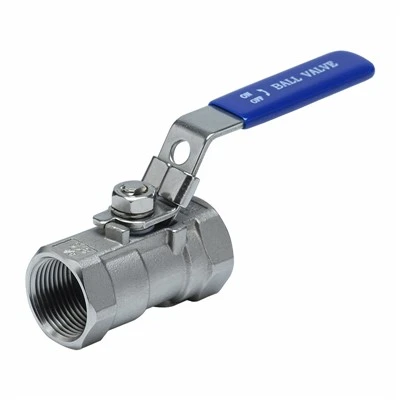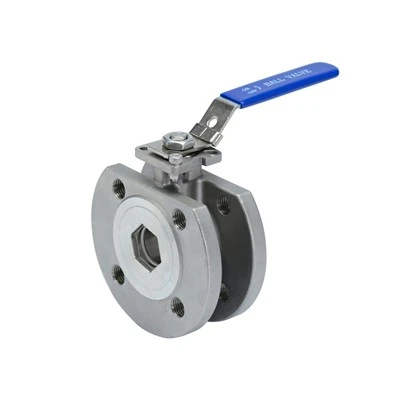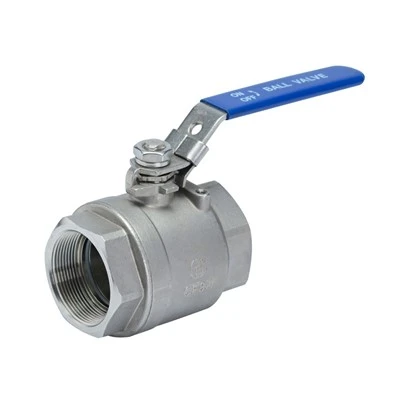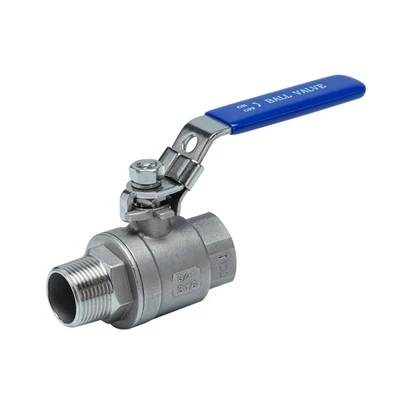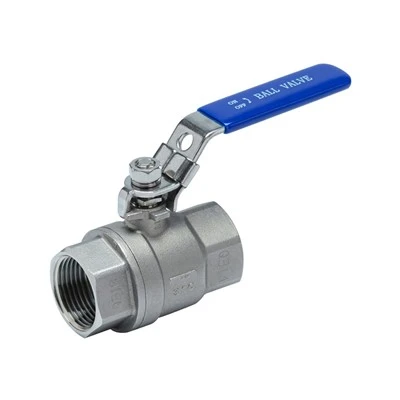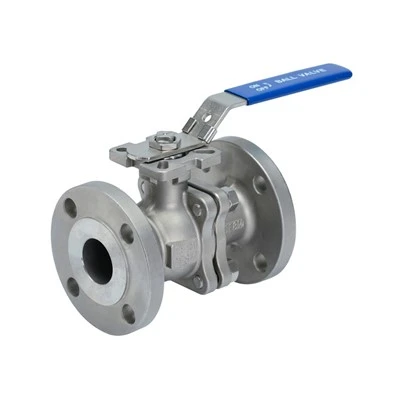
Stainless steel pipe fittings are widely preferred across industrial, commercial, and residential piping systems because of their unique combination of mechanical and chemical properties. The key characteristics that make them stand out are as follows:
Corrosion Resistance One of the main advantages of stainless steel pipe fittings is their excellent corrosion resistance. Stainless steel contains chromium (Cr), which forms a dense chromium oxide (Cr₂O₃) passivation film on the surface of the fitting. This film prevents oxygen and other corrosive media from contacting the underlying metal matrix, protecting the fitting from corrosion. Different grades of stainless steel offer different levels of protection. For example, 316 stainless steel pipe fittings contain molybdenum (Mo), which provides superior resistance to chloride corrosion and is well suited to marine environments and chemical plants. 304 stainless steel pipe fittings, on the other hand, are widely used in general corrosive environments such as food processing and building water supply and drainage systems.
Strength and Toughness Stainless steel pipe fittings offer good strength and toughness and can withstand high pressure and mechanical impact. Their strength depends mainly on the material grade and manufacturing process; for instance, fittings become stronger after cold working due to work hardening. This combination of strength and toughness allows the fittings to maintain structural integrity even in complex piping systems subject to fluctuating fluid pressure and vibration, helping to prevent cracking and leakage.
High and Low Temperature Resistance Stainless steel pipe fittings can operate reliably over a wide temperature range. Austenitic stainless steel fittings, for example, perform well in high-temperature service, resisting thermal stress and being commonly found in heat exchangers and steam pipelines. At the same time, they retain excellent toughness at cryogenic temperatures, resisting brittle fracture - which makes them suitable for liquid nitrogen service and outdoor piping in cold climates.
Hygienic Performance In food, beverage, and pharmaceutical piping systems, the hygienic properties of stainless steel fittings are critical. Stainless steel has a smooth, non-porous surface that discourages bacterial adhesion and biofilm formation, and it is easy to clean and sanitize. This helps meet strict hygiene standards and protects the quality and safety of the products being transported.
Summary: Thanks to their corrosion resistance, mechanical strength, wide temperature tolerance, and hygienic surface, stainless steel pipe fittings are a reliable and cost-effective choice for demanding piping applications across industries.