Stainless steel and copper are both widely used for pipe fittings, but their corrosion-resistant mechanisms are very different. Neither material simply "rusts away" - the real question is which performs better under your specific operating conditions.
Characteristics of Stainless Steel and Copper Pipe Fittings
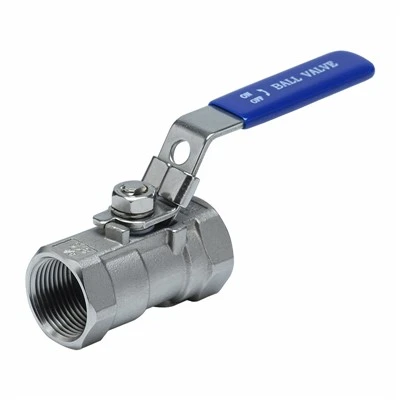
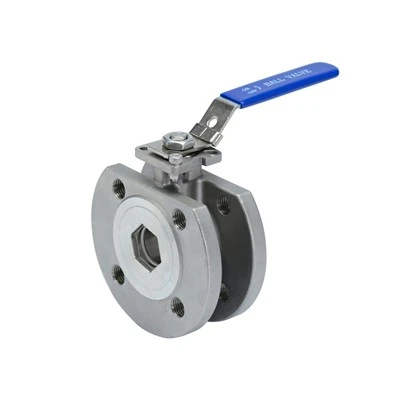
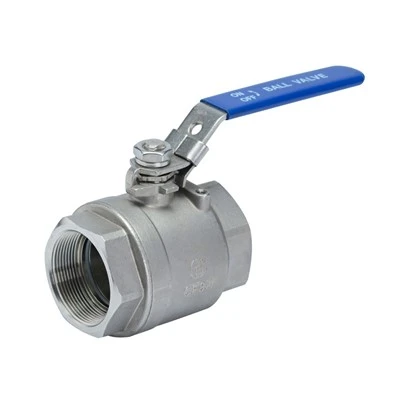
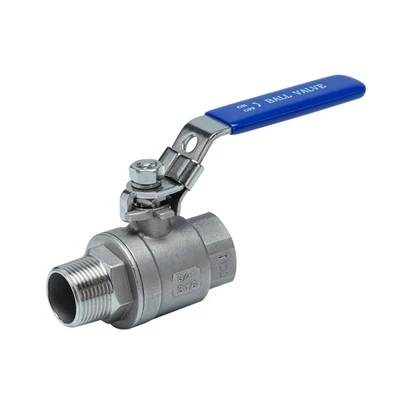
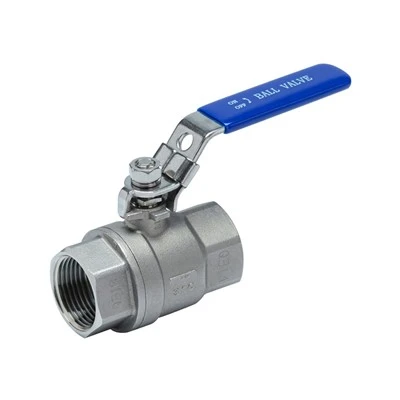
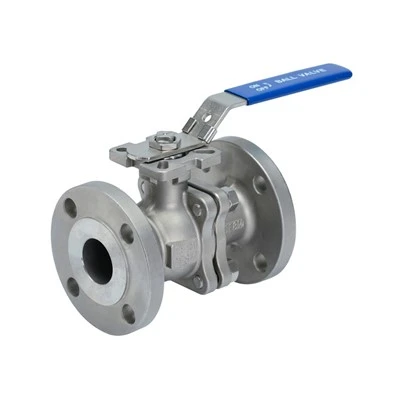
Stainless Steel Pipe Fittings Stainless steel pipe fittings are known for their corrosion resistance, high strength, good toughness, and long service life, making them common in chemical, petroleum, pharmaceutical, and food processing industries. Depending on composition and application, they are available in grades such as 304/304L, 316/316L, 321, 310S, and 2205.
Copper Pipe Fittings Copper pipe fittings offer excellent thermal and electrical conductivity, good malleability, and natural corrosion resistance, which is why they are widely used in HVAC, plumbing, electrical, and construction applications. They are generally available in pure copper (commonly known as red copper) and brass (copper-zinc alloy).
Why Are They Resistant to Corrosion?
Stainless Steel Stainless steel's corrosion resistance comes primarily from its chromium content. Chromium reacts with oxygen to form a thin, self-healing chromium oxide (Cr₂O₃) film on the surface, which protects the underlying metal. Nickel improves toughness and general corrosion resistance, while molybdenum (as in 316) significantly enhances resistance to chloride and pitting corrosion.
Copper Copper naturally forms a protective patina - a layer of copper oxide and copper carbonate - when exposed to air and moisture. This patina adheres tightly to the surface and slows further corrosion. However, in environments with high chloride, strong acids, or stagnant moisture, copper can still develop verdigris and degrade over time.
Typical Applications
Stainless Steel Pipe Fittings Preferred where high temperature, high pressure, corrosion resistance, and cleanliness are required - for example, chemical processing, oil and gas, pharmaceutical, and food-grade systems.
Copper Pipe Fittings Preferred where thermal and electrical conductivity matter most - for example, HVAC and refrigeration lines, domestic water plumbing, electrical grounding, and refrigerant piping. Copper is also easy to solder and bend on site, which makes it a favorite in residential and commercial plumbing.
Summary
For harsh, corrosive, high-temperature, or sanitary environments, stainless steel (especially 316) is usually the better choice.
For general plumbing, HVAC, and low-temperature water service, copper is cost-effective, easy to install, and naturally durable.
The right choice depends on the fluid, temperature, pressure, budget, and local plumbing codes - not simply on which material "rusts less."