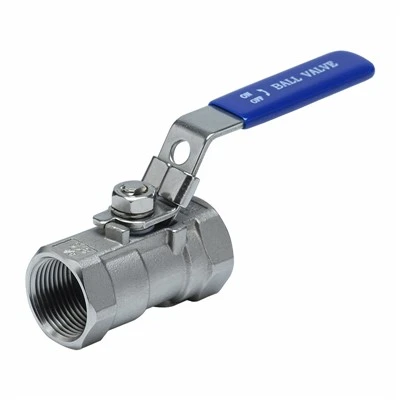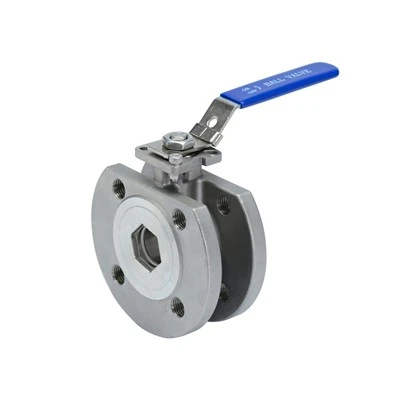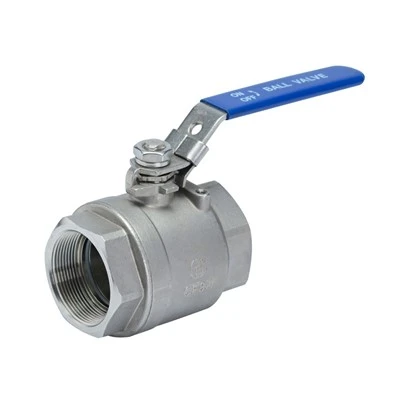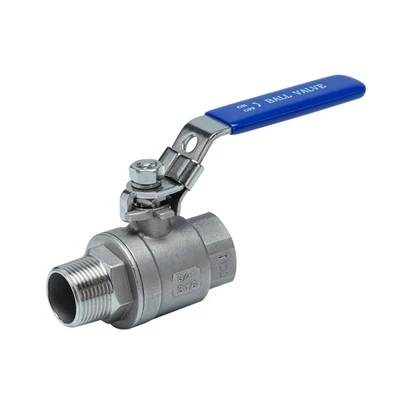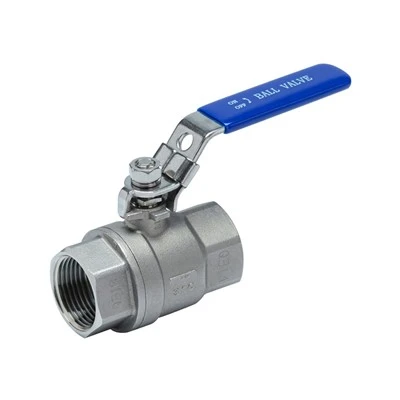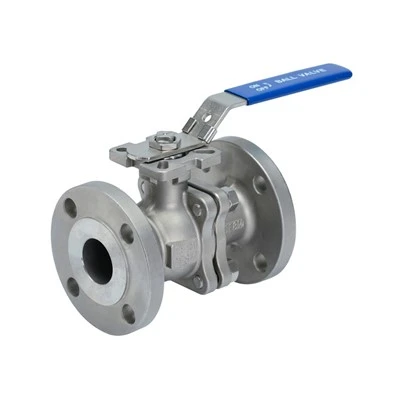
Stainless steel pipe fittings are essential components in piping systems. Beyond simply joining pipes, they serve a range of functions that ensure a system operates safely, efficiently, and as designed. The main functions are as follows:
1. Connection Stainless steel pipe fittings connect pipes to each other and to equipment through threaded, flanged, welded, or grooved joints, ensuring a sealed and continuous flow path throughout the system.
2. Direction Change Fittings such as stainless steel elbows change the direction of a pipeline to match layout requirements or fit within limited space.
3. Branching Stainless steel tees and crosses allow a single pipeline to branch into multiple directions, enabling fluid to be distributed to different points in the system.
4. Size Reduction Stainless steel reducers connect pipes of different diameters, providing a smooth transition from one pipe size to another.
5. Sealing and Termination Stainless steel caps and plugs seal the open ends of a pipeline, protecting the system from dust, debris, moisture, and other external contaminants.
6. Flow Regulation While fittings are not designed to actively control flow the way valves do, some components - such as orifice plates - can restrict or meter fluid flow within the line.
7. Support and Stability Certain piping accessories, such as pipe clamps and hangers, are not classified as connectors but are critical for maintaining the alignment, stability, and long-term safety of the entire pipeline system.
8. Maintenance and Repair Specially designed fittings such as unions allow sections of a pipeline to be easily disconnected and reassembled, greatly simplifying routine maintenance, inspection, and equipment replacement.