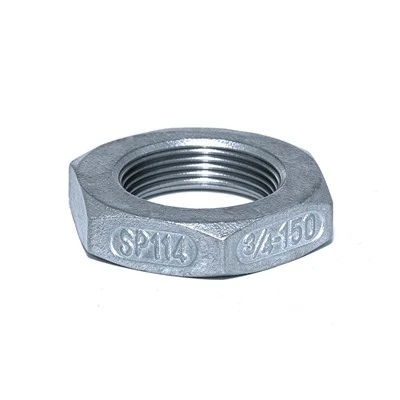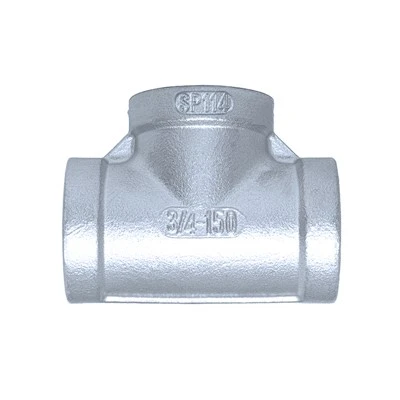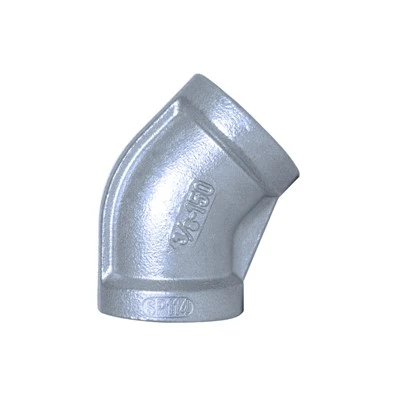
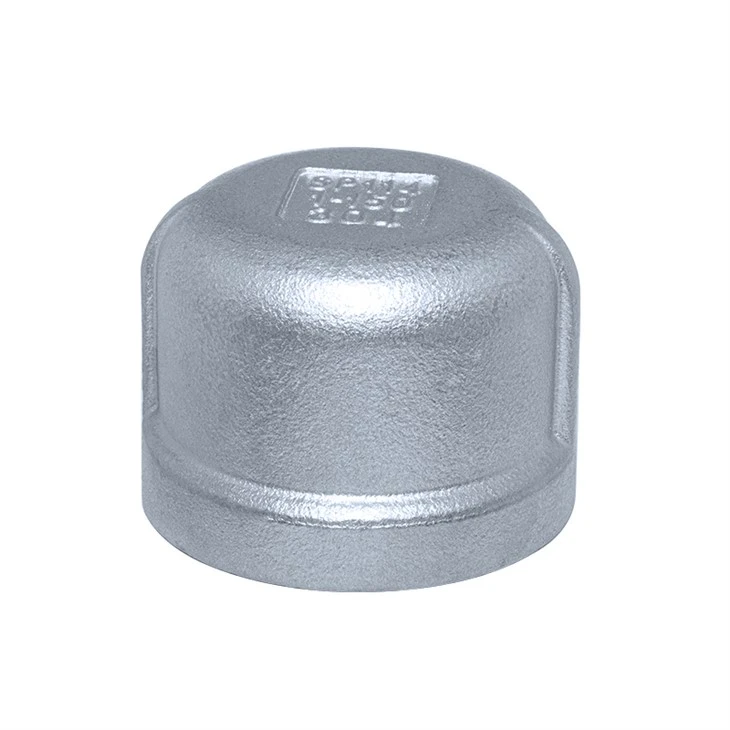
Let's cut to the chase as a fellow stainless steel pipe fittings supplier – I get questions all the time from folks working on plumbing, industrial piping, or custom projects who stumble across our products, like our Stainless Steel Round Cap, and wonder, "Can I actually drill and tap this thing?" If you're here because you have a custom project that needs a tapped hole in your round cap, you're not alone – and the short answer is yes… but there's a whole bunch of stuff you need to know first to avoid ruining a perfectly good cap (and wasting your time and money). I've been in the fittings game for 8 years now, seen hundreds of projects go right and way wrong with this exact question, so let's break this down like we're chatting over a shop coffee.
First off, let's get one thing straight: not all stainless steel is created equal. If you picked up a cheap, thin-wall cap that's meant for a temporary garden hose setup, drilling and tapping it is probably going to end in disaster. But the caps we sell – like the ones linked above – are made from either 304 or 316 stainless steel, which are the workhorses of the industrial plumbing and piping world. 304 is the standard go-to for most applications: it's corrosion-resistant, strong enough for standard pressure, and easy enough to machine if you do it right. 316 is for harsher environments, like saltwater or chemical processing, and it's a tiny bit tougher than 304, but still totally workable if you adjust your approach. If you're holding a random cap from a hardware store's cheap bin? That might be a different story – but we're talking about proper MSS-SP-114 fittings here, the standard for pipe parts, so we can assume quality material that's machinable.
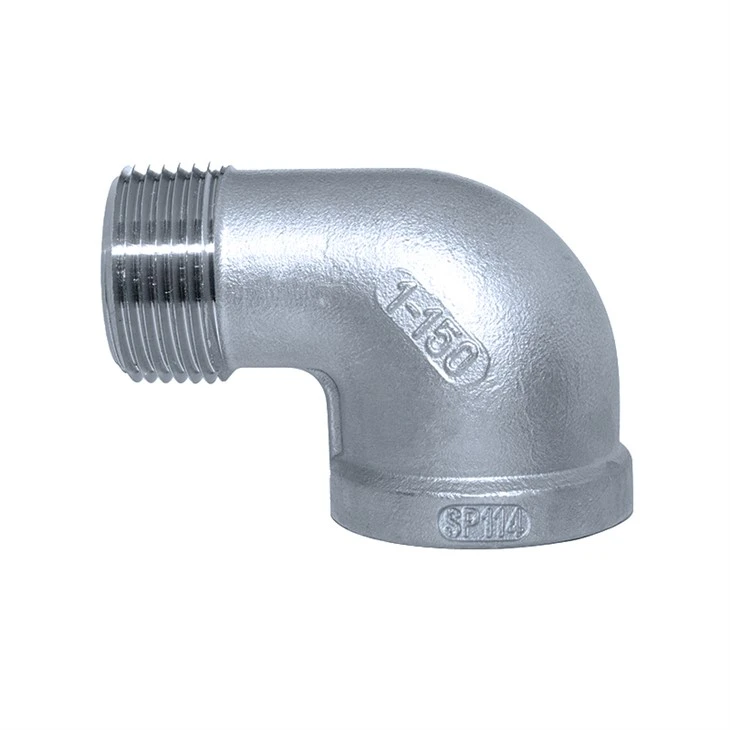
Now, why would you even want to drill and tap a round cap in the first place? I've seen it for all kinds of projects: someone's building a custom manifold by tapping a cap to mount a pressure gauge, another client was modifying a temporary test setup by adding a port to their end cap, and even a guy making a custom rainwater collection system tapped his cap to add a vent valve. It's not something every project needs, but when you do, using a proper Stainless Steel Round Cap makes way more sense than improvising with other parts. For example, if you're building a custom manifold, you could use multiple Stainless Steel Elbow 90° or Stainless Steel Elbow 45°, but a drilled-and-tapped cap is simpler and more compact for small setups. Or if you need to add a test port to a line that ends with a cap, modifying that cap is way easier than swapping out a whole elbow or union – not that Stainless Steel Union FF parts aren't great for their jobs, this is just a different scenario.
But before you grab your drill and tap set, let's talk about the mistakes I see people make every time they try this. First: stainless steel is gummy. Unlike aluminum or even mild steel, it doesn't chip cleanly when you drill – it kind of clings to the bit, which causes heat, which makes the metal harder, which ruins the bit. If you've ever drilled a stainless steel bolt and noticed the bit started spinning freely after 30 seconds? That's why. So speed is your enemy here. Don't crank your drill up to full RPM like you would for drilling wood or aluminum. Use a low speed – like 200-300 RPM for 1/8" bits, a bit faster for larger bits, but never over 1000 RPM. And definitely use a bit made specifically for stainless steel. Generic bits will dull instantly, leaving a rough hole that's impossible to tap. I've got a set of titanium-coated stainless bits that I've had for 5 years, and they're still going strong – worth the $20 extra instead of buying a cheap set that dies after one use.
Next, clamping the cap down. You can't just hold the cap with one hand while you drill – it's going to spin, slip, and you'll either drill it crooked, break the bit, or even hurt yourself. If you have a drill press, that's ideal – you can clamp the cap to the table, mark your exact hole, and drill straight every time. If you're using a hand drill, use a vise or a pair of C-clamps to secure the cap to a solid piece of wood or metal. Pro tip: wrap a piece of rubber or a shop rag between the cap and the clamp to keep it from getting scuffed (we all want our fittings to look good, right?) and to stop it from spinning under pressure.
Then there's the lubrication. This is non-negotiable for stainless steel drilling and tapping. No lubrication = hot, gummy metal = ruined bit, ruined hole, ruined cap. I use plain old cutting oil – you can pick up a bottle at any hardware store for $10 – and drip a little on the bit and the cap as you drill. For tapping, you need to lubricate the tap too; same cutting oil works, or even WD-40 in a pinch (but cutting oil is better). When tapping, go slow – turn the tap about a quarter turn, then back it up a quarter turn to break the chip loose. If you keep turning it forward nonstop, the chip will get stuck, break the tap, and now you've got a chunk of metal stuck in your cap that you'll have to drill out. I've seen a client do this last year on a 1" cap and he spent an extra hour drilling out a broken tap instead of just taking his time.
What about the cap's thickness? That's a big one. Our Stainless Steel Round Cap comes in different sizes – 1/2" NPT caps, 3/4" NPT, 1", all the way up to 4" and bigger. The wall thickness (or cap thickness) varies too – smaller caps are a bit thinner, larger ones are thicker. You need to make sure your tap is long enough to go through the cap – or at least far enough to create a solid thread. For example, a 1/2" NPT tap will need about 3/4" of depth to make a good, strong thread – if you drill a hole that's only 1/2" deep, you'll get weak threads that will strip when you screw in a valve or gauge. Bigger is better here, but don't go crazy – drilling all the way through a thin 1/2" cap is possible, but you have to be careful not to drill too deep and ruin the other side (even though caps are on the end of pipes, sometimes the backside is still visible).
Wait, also – what about thread type? This is a question I get a lot too. Most projects use NPT (National Pipe Thread) for fittings, which is tapered, so it seals on its own with Teflon tape or pipe dope. If you're adding a port for a gauge or valve, that's almost always NPT. But if you need a straight thread, BSPP or metric, you'll need to use the right tap for that. I always tell folks to confirm what thread size and type they need before they buy a tap – don't just assume the tap that fits your drill will work for your cap. For example, a 1/2" NPT tap is different from a 1/2" BSPP tap, and if you use the wrong one, your fitting will leak or not screw in at all.
Now, when is it not a good idea to drill and tap a stainless steel round cap? If it's a super thin-wall cap – like the ones used for temporary air line caps that are only 1/8" thick. That's way too thin to hold any threads; you'd end up with a strip of metal that falls apart when you put a fitting in. Or if you're working with a 316 cap and you don't have the right tools – 316 is a bit tougher, so you need slower speeds, better bits, more lubrication, than 304. And if you're in a rush – this isn't a 5-minute project. Take your time, check your measurements twice, use the right tools, and you'll get a perfect hole.
I mentioned earlier I've seen a lot of projects go wrong, so let's talk about a horror story to drive this home. A guy emailed me last year saying he drilled and tapped a cheap cap (not one of ours) for a pressure gauge, and it started leaking after a week. When I asked him about his process, he said he used a regular twist bit, drilled at full speed, used no lubrication, and just turned the tap all the way around without backing up. The hole was rough, the threads were stripped, and the cap had micro-cracks from all the heat. It's such an easy fix if you take the right steps – and using a quality Stainless Steel Round Cap to begin with, instead of a random off-brand one, makes all the difference. Our caps are made to MSS-SP-114 standards, so their wall thickness is consistent, the material is uniform, and they hold up to machining way better than cheap no-name caps.
Another thing: if you're not 100% comfortable with machining stainless steel, don't be afraid to ask for help. We've had customers send us their cap specs and we'll even drill and tap it for them for a small fee – way cheaper than ruining a $20 cap and having to buy a new one. Or if you're new to this, practice on a scrap piece of stainless steel first. Most hardware stores sell small stainless blanks for a few dollars, so you can mess up a scrap instead of your actual project cap. That's the number one tip I can give beginners – don't use your good fitting as your practice piece.
Let's circle back to the original question: "Can I drill and tap a stainless steel round cap?" The answer is a resounding yes, as long as you follow these rules: use a quality machinable stainless steel cap (like our Stainless Steel Round Cap), use stainless-specific drill bits and taps, run at low speeds, lubricate the crap out of it, clamp it down tight, take your time tapping (back up every quarter turn), and make sure your depth and thread type are correct.
At the end of the day, custom projects are what keep this industry interesting – whether you're modifying a pipe line, building a custom manifold, or putting together a small test setup, drilling and tapping a round cap can save you time and money instead of mixing and matching Stainless Steel Elbow 90° or Stainless Steel Street Elbow 90° fittings that don't fit your small setup. If you're working on a project and need fittings, or you have questions about drilling and tapping our caps, reach out to our team – we're here to help make your project go right, not leave you frustrated with a ruined part.
Don't let fear of messing up stop you from customizing your setup. Follow the steps I laid out, use the right tools and parts, and you'll have a perfectly tapped cap that works exactly how you need it. And if you ever have questions – even if it's about which cap size is right for your project, or which tap to buy – we're just an email or call away. We're not just fitting suppliers; we're people who've been doing this for years, and we want your project to succeed, full stop.
References
- Machining Data Handbook. (2020). Stainless Steel Machining Guidelines. Society of Manufacturing Engineers.
- MSS-SP-114 Standard Practice for Pipe Fittings, Flanges, and Unions. (2021). Manufacturers Standardization Society.
- Cutting Fluid Selection Guide for Stainless Steel. (2022). Kendall International Metalworking.
- Tapping Best Practices for Tight Threads. (2021). Machinery's Handbook, 31st Edition. Industrial Press.