Hey there! If you’re here, chances are you’re working on a piping project, maybe a fabrication job, or even fixing up some equipment, and you’re staring at a stainless steel round cap thinking, “Wait—can I even glue this thing?” As a supplier of these caps (and a bunch of other stainless steel pipe fittings, I might add), I get this question all the time. Let’s break it down straight—no jargon, just real talk about what works, what doesn’t, and why you can’t just grab any old glue from the hardware store and call it a day.
First off, let’s get one thing clear: stainless steel isn’t like wood or plastic. It’s a non-porous, corrosion-resistant metal that’s designed to hold up in everything from water lines to industrial chemical systems. Gluing it isn’t impossible, but it’s not as simple as gluing two PVC pipes together, either. A lot of people mix up pipe gluing (which is mostly for plastic, using solvent cement) with metal bonding, so let’s set that misconception aside right now.
Why someone would ask about gluing a stainless steel round cap is pretty obvious. If you’re not welding (which requires tools, skill, and sometimes safety gear you might not have on hand), gluing seems like a quick, easy fix. Maybe you’re working on a low-pressure system, a decorative railing, or a small DIY project where welding overkill. But here’s the catch: not all glues are created equal for stainless steel.
Let’s start with what actually works for bonding stainless steel. The best options here are epoxy adhesives, specifically ones labeled for metal-to-metal or metal-to-surface bonding. Wait, not just any epoxy—you need a two-part epoxy that’s formulated to handle stainless steel’s smooth, slick surface. Single-part epoxies usually don’t have the strength or adhesion for metal, especially if the joint is going to see any stress (like vibration, or even just thermal expansion from temperature changes). There’s also structural acrylic adhesives, which are another good option because they set faster than epoxy and can handle higher loads. But skip the super glue (cyanoacrylate) for this—while it sticks to some plastics, it doesn’t get a good hold on stainless steel, and it’ll break down over time, especially in damp environments.
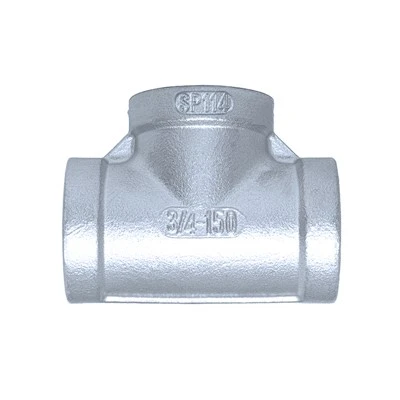
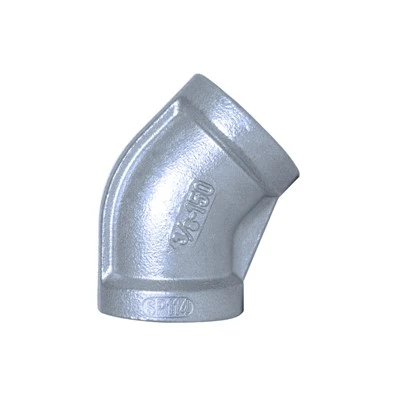
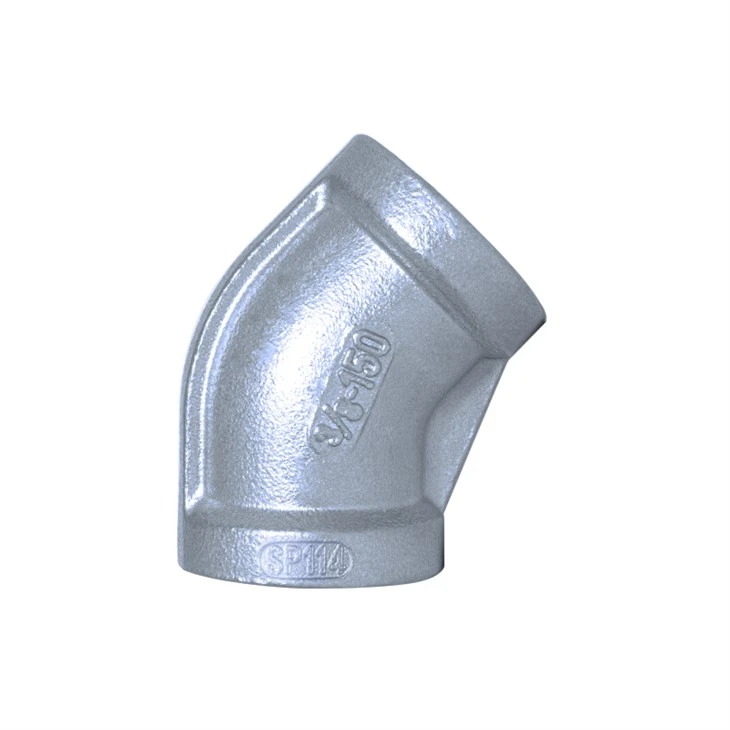
Now, let’s talk about why gluing a stainless steel round cap might not be the best choice for certain jobs. For example, if you’re using it in a pressure piping system (think water lines, gas lines, or industrial process pipes), glue isn’t going to cut it—you need a proper fitting, like a Stainless Steel Equal Tee or Stainless Steel Elbow 45° that’s meant for threaded or welded connections. Wait, why? Because even the strongest adhesive can leak under pressure, and if the system sees heat or chemicals, it’ll fail. I’ve seen way too many people try to glue a cap on a pressure line, only to end up with a messy leak and a big headache. That’s where using the right fitting component matters—you can check out our fittings like the Stainless Steel Equal Tee to see how properly sized and connected parts work, so you don’t waste time on a bad glue job.
Another thing to consider is surface prep. If you want that glue to stick, you can’t just wipe the stainless steel cap with a dry cloth and call it good. Stainless steel has a passive chromium oxide layer on its surface that prevents corrosion, but it also makes it super hard for adhesives to bond to. So you need to rough up the surface a bit—lightly sand it with a fine-grit sandpaper (like 220-grit), then clean it thoroughly with isopropyl alcohol or a degreaser to get rid of any oils, fingerprints, or residue. If you skip this step, the glue will peel off way sooner than it should, and you’ll be right back to square one.
Let’s also cover what stainless steel round caps are actually used for, because that changes whether gluing makes sense. Our stainless steel round caps (by the way, we carry a range of sizes and finishes, from polished to brushed) are typically used to seal the end of a pipe or tube. They’re common in things like handrails, exhaust systems, water filtration units, and even decorative metalwork. For non-pressure, low-stress applications (like a handrail cap that’s just there to look nice, not hold pressure), gluing can work—if you do it right. But if it’s a part that’s going to move, vibrate, or be exposed to harsh conditions (like outdoor weather or chemicals), welding or using mechanical fasteners is way more reliable.
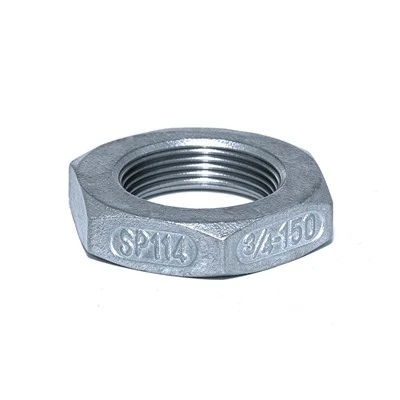
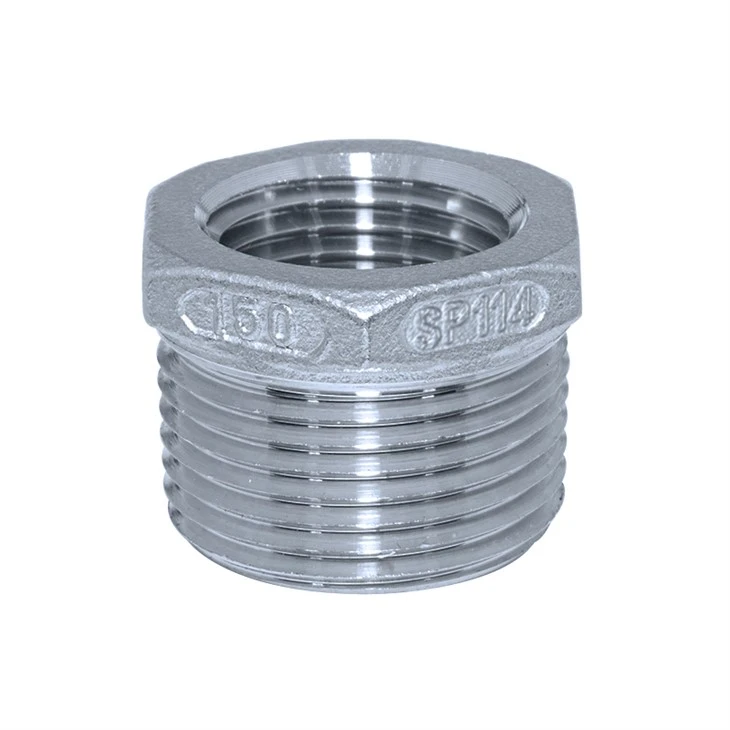
Speaking of mechanical fasteners, I should mention that sometimes people confuse gluing with other connection methods. For example, if you’re attaching a cap to a threaded pipe, you might think gluing is an option, but threaded connections usually use pipe thread sealant, not glue. And if you’re working with fittings like the Stainless Steel Square Plug or Stainless Steel Hex Nut, those are designed for threading onto pipes or components, so they rely on friction and sealant, not adhesive. Same with the Stainless Steel Hex Bushing—it’s a threaded adapter, so gluing it isn’t the way to go either. That’s why it’s important to match the connection method to the fitting, not just grab glue because it seems easy.
Wait, let’s get back to the glue details. When you do use epoxy, make sure you’re applying it correctly. Mix the two parts in the right ratio (most epoxies are 1:1, but always check the label), apply a thin, even layer to both the cap and the surface you’re attaching it to, then clamp them together firmly. Let it cure for the full time the manufacturer recommends—don’t rush it, even if it feels set in a couple hours. I’ve had customers skip the full cure time and end up with a cap that fell off a week later, so that’s a big mistake to avoid.
Now, let’s address a common question: can I use glue that’s meant for other metals, like aluminum or steel? Maybe, but only if it’s specifically formulated for stainless steel. Some adhesives work on multiple metals, but stainless has that protective oxide layer, so you need something that’s designed to bite through that. If you use a general metal adhesive, it might not bond well, even with surface prep. Always read the label—if it doesn’t say “stainless steel” or “metal bonding,” it’s probably not worth using.
Let’s also talk about the downsides of gluing a stainless steel round cap versus other methods. Welding creates a permanent, strong bond that’s perfect for high-stress, high-pressure jobs, but it requires equipment (a welder, protective gear) and skill, which not everyone has. Brazing or soldering are other options, but again, they need tools. Gluing is low-effort in terms of tools, but it’s only reliable for low-stress applications. It’s also not as durable as metal-to-metal connections, so if your project is going to be around for years, you might regret cutting corners on not welding or using the right fitting.
As someone who sells stainless steel fittings, I always tell customers: know your project’s requirements first. If it’s a decorative handrail cap for a front porch, gluing works—just do the surface prep right, use the right epoxy, and let it cure. If it’s a cap for a well water line, skip the glue and go with a welded or threaded connection. If you’re not sure which fitting to use for your system, like if you need a tee to split a line or an elbow to change direction, checking out our pages for fittings like the Stainless Steel Equal Tee or Stainless Steel Elbow 45° can help you pick the right part for the job.
Wait, another thing: corrosion resistance. One of the big reasons people choose stainless steel for caps is that it doesn’t rust, but if you use the wrong glue, can that cause issues? Some glues are porous, or break down in certain environments, which could lead to moisture getting trapped between the cap and the surface, which might cause localized corrosion. That’s why it’s important to use an adhesive that’s compatible with stainless steel and the environment the part is in. For example, if it’s going outside, use a waterproof, weather-resistant epoxy—don’t use something that’s only for indoor use.
Let me wrap this up with a quick summary so it’s easy to remember. Can you glue a stainless steel round cap? Yes, but only if:
- It’s a low-stress, non-pressure application (no gas, water, or heavy vibration)
- You use a two-part epoxy or structural acrylic adhesive designed for stainless steel
- You prep the surface properly (sand + degrease)
- You let it cure fully before putting any stress on it
If your project is high-stress, pressure-bearing, or needs maximum durability, skip the glue. Invest in a proper connection method—welding, brazing, or mechanical fittings like threaded plugs or bushings. For example, if you need to seal a pipe end that’s under pressure, a threaded Stainless Steel Square Plug or Stainless Steel Hex Nut paired with thread sealant is way more reliable than glue.
At the end of the day, the last thing I want is for someone to mess up their project because they tried to cut corners with glue when they should have used the right fitting. We’ve got a huge range of stainless steel components, from round caps to tees, elbows, and bushings, all designed for proper, long-lasting connections. If you’re not sure what you need, feel free to reach out to our team to talk through your project—we can help you pick the right parts and give you advice on the best connection method, whether that’s adhesive, welding, or something else. No pressure, just straight answers because we’ve been in this industry long enough to know when a glue job is going to work and when it’s not.
References:
- Adhesive Technology Association. (2022). Bonding Stainless Steel: Best Practices for Surface Prep and Adhesive Selection.
- MSS SP-114 Standard Specification for Stainless Steel Pipe Fittings. Manufacturers Standardization Society of the Valve and Fittings Industry.
- Epoxy Products Manufacturers Association. (2021). Structural Adhesives for Metal Bonding: Performance Guidelines.