If you’re someone who’s spent time specifying or sourcing stainless steel pipe fittings, you’ve probably fielded a common question from engineers, contractors, and maintenance teams alike: "Are 316 stainless steel round caps corrosion resistant?" As a supplier of quality metal fittings, I get this question at least a dozen times a week—usually paired with stories of past failures: a pipe cap that rusted through after a year in a coastal factory, or one that pitted in a food processing plant’s washdown area. The short answer is yes, 316 stainless steel round caps are highly corrosion resistant, but the details matter more than the baseline property. Let’s break down why that’s the case, what makes 316 different from other stainless steels, and how to make sure your round caps perform as intended.
First, let’s start with the basics of what makes stainless steel corrosion resistant, and how 316 stands out. All stainless steels contain chromium—at least 10.5% by weight—that forms a thin, invisible chromium oxide layer on the surface when exposed to oxygen. This layer acts as a barrier, preventing oxygen and moisture from reaching the underlying iron and stopping rust. 316 stainless steel, also called marine-grade stainless steel, adds two key elements that boost that corrosion resistance: molybdenum (around 2-3%) and lower carbon content than standard 304 stainless steel.
The molybdenum is the game-changer for environments where corrosion is more aggressive. While 304 works well in indoor, low-humidity, or general industrial environments, it struggles with chloride ions—salt, which is found in coastal air, saltwater, de-icing salts on roads, and even many food products like tomatoes, vinegar, and soy sauce. Chloride ions are small enough to penetrate the chromium oxide layer, causing pitting or crevice corrosion, the two most common forms of failure for stainless steel fittings. Molybdenum in 316 repels those chloride ions, making it far more resistant to this type of damage. That’s why I’ve seen 316 stainless steel round caps outlast 304 ones by years in places like shipyards, offshore oil rigs, and coastal construction sites.
Of course, resistance isn’t immunity. 316 round caps will still corrode if they’re exposed to extremely high concentrations of chlorides, or if the protective oxide layer is damaged. For example, if a cap is scratched during installation and the exposed metal isn’t polished or passivated, that scratch can become a spot for corrosion to start. That’s why as a supplier, we always recommend choosing properly finished caps—our Stainless Steel Round Cap line comes with a mill finish, and we offer passivated options for clients working in highly corrosive environments to maximize that protective layer.
Let’s compare 316 to other common stainless steels so you can see the difference. 304 is the most widely used stainless steel, great for general applications like indoor plumbing or non-corrosive industrial settings, but not ideal for salt or acidic environments. 316 is step above, and for many projects, it’s worth the small cost difference. I’ve had contractors come to me after a project where they used 304 caps on a waterfront pier, only to replace them every 18 months, switching to 316 and going three years without issues. That’s a cost savings that adds up fast.
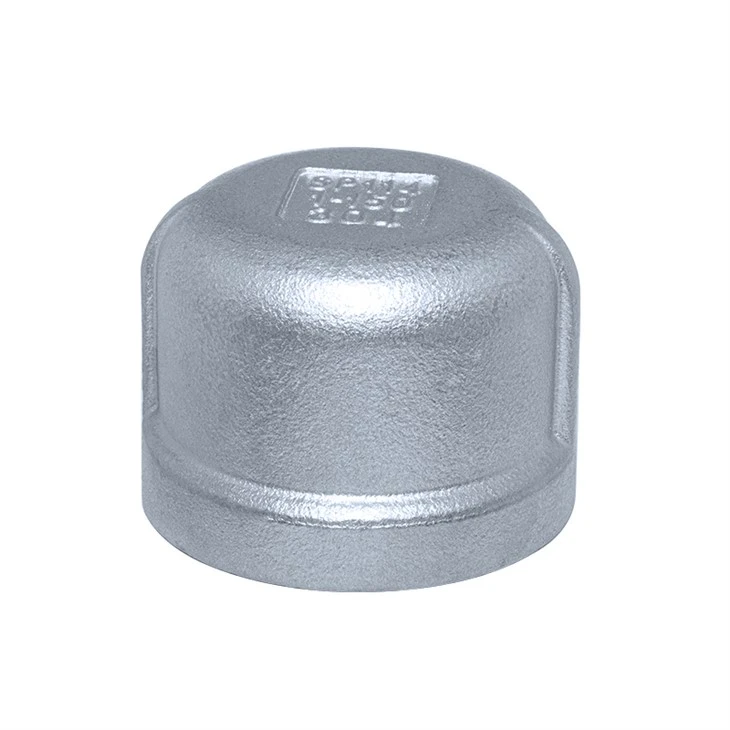
It’s also important to distinguish 316 from other grades when you’re sourcing. Some suppliers will market "stainless steel round caps" without specifying the grade, which can be a trap. For example, 400-series stainless steels have corrosion resistance far lower than 304, let alone 316, and are often used for low-cost applications where rust isn’t a big concern. Always confirm the grade with your supplier, and if you’re dealing with corrosion-prone environments, don’t settle for anything less than 316.
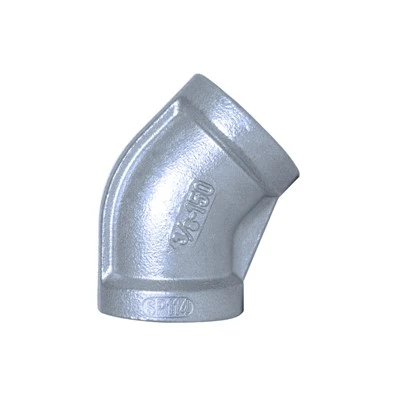
Another common question I get: "Does the type of installation affect corrosion resistance?" The short answer is yes, but not in a way that negates 316’s properties. For example, if a round cap is installed onto a pipe using sealants or thread compounds that contain harsh chemicals, those chemicals can break down the protective oxide layer over time. Or, if the cap is installed in a crevice—say, between two pipe ends where water can get trapped and evaporate, leaving concentrated salts—corrosion can start there. That’s why it’s a good idea to pair your round cap with other fittings that match your grade. If you’re using 316 round caps, also use 316 fittings like our Stainless Steel Elbow 90° or Stainless Steel Union FF for a consistent material that works well together. Mismatched materials can also cause galvanic corrosion, where one metal reacts with another in the presence of an electrolyte (like water), leading to faster corrosion of the less noble metal.
Let’s talk about real-world applications where 316 round caps shine. One of our regular clients is a food processing plant that uses our 316 round caps to seal off pipe ends in areas where they wash down equipment daily. The washdown water has high chloride content from detergents and salt added to cleaning solutions, and 316 holds up far better than 304 in that setting. Another client is a marina that uses our round caps for their dock pipe systems—exposed to saltwater spray and high humidity, the 316 caps haven’t shown any pitting in four years, while their old 304 caps needed replacement twice a year.
Of course, there are exceptions. If you’re working in extremely high-temperature environments, like furnaces or chemical processing plants with strong acids, even 316 might not be enough. For those cases, you’d need higher alloy steels like 904L or Hastelloy, but for the vast majority of common corrosive applications—coastal, marine, food and beverage, pharmaceutical, and even outdoor industrial settings—316 is the sweet spot for corrosion resistance.
Now, let’s address some misconceptions. Some people think that all stainless steel is the same, but as I mentioned earlier, the molybdenum in 316 makes a huge difference. I’ve also heard that "stainless" means it will never rust, which isn’t true. All stainless steels will corrode eventually if the conditions are harsh enough, but 316 has a much higher resistance than other grades, making it the go-to for corrosion-prone projects. Another misconception is that lower-grade 316 will work the same as high-grade. There are variations in molybdenum content and manufacturing processes, which is why it’s important to source from a reputable supplier like us, who test every batch of our Stainless Steel Round Cap to ensure it meets ASTM standards for 316.
When choosing a round cap, there are other factors to consider besides corrosion resistance. Size is a big one—you need to make sure the cap fits your pipe correctly, whether it’s NPT, BSP, or another thread standard. We carry a range of sizes, from 1/2 inch up to 24 inches, to fit most common pipe systems. Finish is another: a smooth, polished finish not only looks better but also resists dirt and debris buildup, which can trap moisture and lead to corrosion. Our round caps are available in both mill finish and polished options to match your project’s needs.
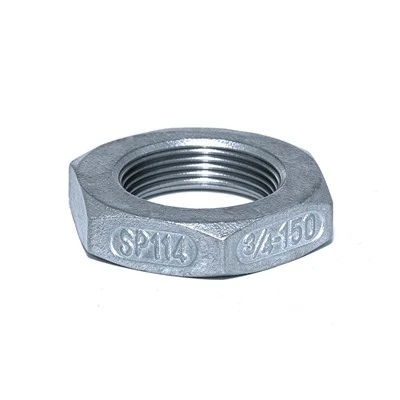
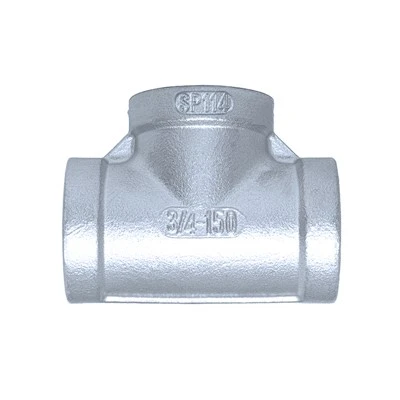
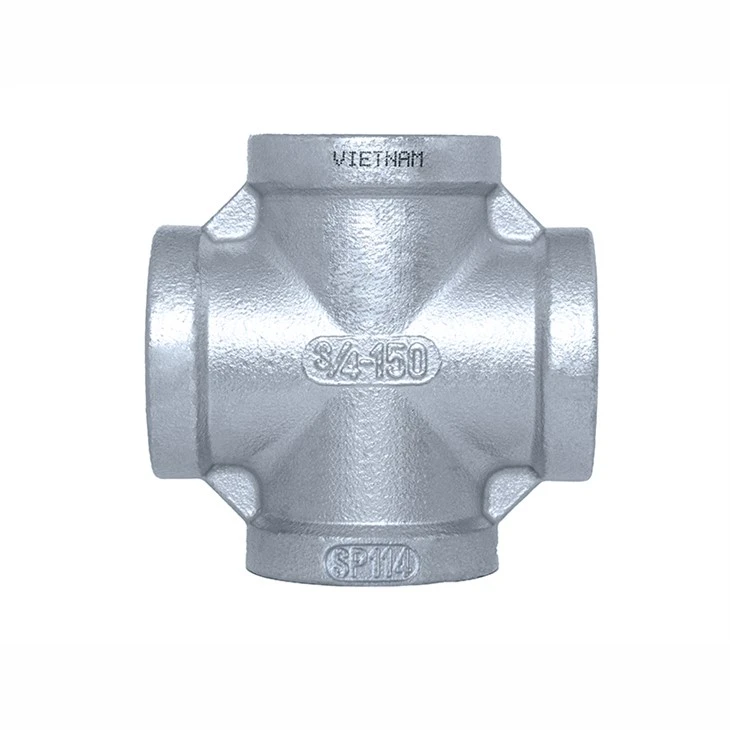
I also get asked about compatibility with other fittings. If you’re building a pipe system, you’ll need a range of fittings to connect pipes, change direction, branch off, and more. In addition to our round caps, we carry a full line of MSS-SP-114 fittings, including Stainless Steel Hex Nut, which works for securing fittings, and Stainless Steel Cross Fitting for four-way connections. Using fittings from the same line ensures consistency in grade and material, which helps prevent galvanic corrosion and ensures the entire system performs as a unit.
Another tip for maximizing the corrosion resistance of your 316 round caps: proper maintenance. Even the best materials need a little care to last. Periodically washing your pipe ends and caps to remove built-up salt, dirt, or chemicals will keep the protective chromium oxide layer intact. If you notice any minor scratches or damage to the surface, you can polish or passivate the cap to repair the oxide layer, preventing corrosion from starting at that spot. For large systems, this is a simple maintenance step that can extend the life of your fittings by years.
Let’s wrap this up with a clear takeaway: if your project is in a mildly to moderately corrosive environment—coastal, marine, food and beverage, outdoor, or general industrial—316 stainless steel round caps are one of the most corrosion-resistant options available. They outperform 304 in chloride-rich environments, are cost-effective compared to higher alloys, and when sourced from a reputable supplier, they’re reliable and easy to install. The key is to confirm your grade, ensure proper installation, and pair them with compatible fittings from the same material line.
If you’re planning a project and need to source stainless steel round caps, or have questions about corrosion resistance for your specific application, don’t hesitate to reach out to our team for a consultation. We can help you select the right grade, size, and finish for your needs, and ensure your pipe systems stand up to whatever environment they’re in.
References
- ASTM International. (2020). Standard Specification for Stainless Steel Pipe Fittings, MSS SP-114.
- ASM International. (2019). Corrosion: Environments and Industries, Vol. 13B (2nd ed.).
- Food and Drug Administration. (2021). Material Compatibility for Food Processing Equipment.
- National Association of Corrosion Engineers (NACE). (2020). Corrosion Control in Marine Environments.