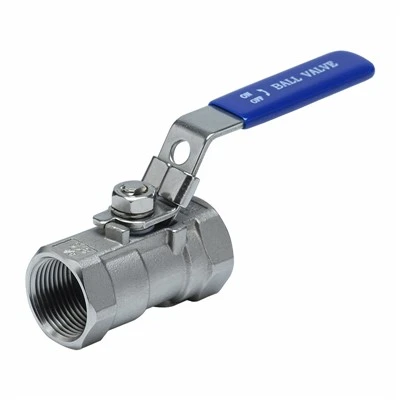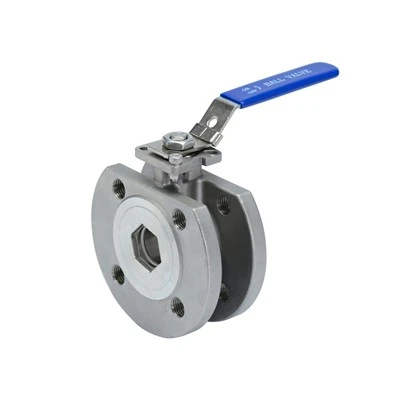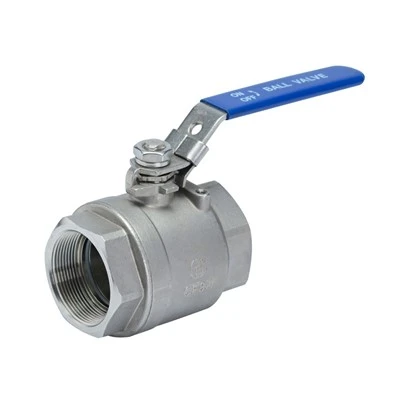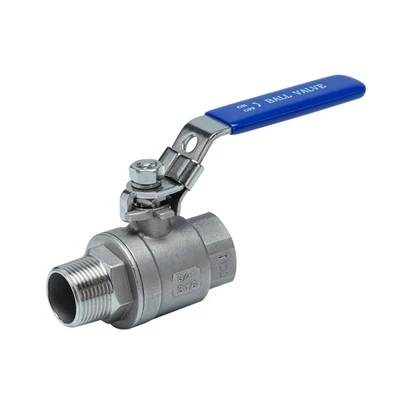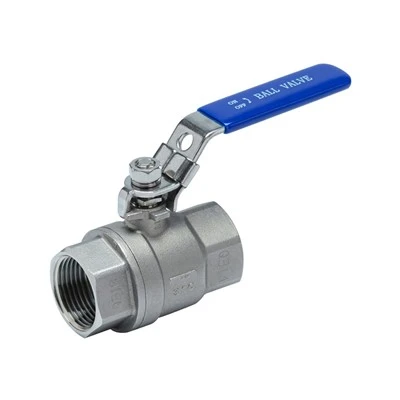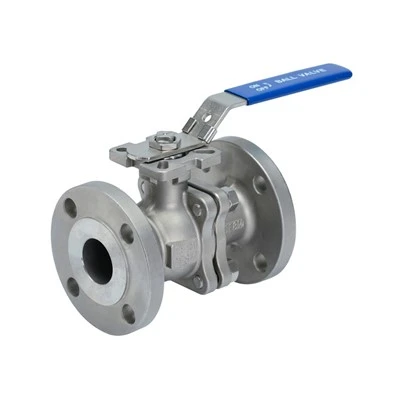
A valve is a device used in fluid systems to control the direction, pressure, and flow rate of a fluid. It enables media (liquid, gas, powder) in pipelines and equipment to start or stop flow and regulates its flow rate.
Valves are control components in pipeline fluid transport systems, used to change the cross-sectional area of the passage and the direction of media flow. They have functions such as directing, shut-off, throttling, non-return, diverting flow, and pressure relief. Valves for fluid control range from simple shut-off valves to various units used in highly complex automatic control systems. They come in numerous types and specifications, with nominal diameters ranging from tiny instrument valves to industrial pipeline valves up to 10 meters. They can handle the flow of many fluids including water, steam, oil, gas, slurry, corrosive media, liquid metals, and radioactive fluids. Valves can operate under pressures ranging from 0.0013 MPa to ultra-high 1000 MPa, and temperatures from cryogenic -270°C up to 1430°C.
Valves can be controlled via various actuation methods, such as manual, electric, hydraulic, pneumatic, turbine, electromagnetic, electro-hydraulic, pneumatic-hydraulic, spur gear and bevel gear actuation, etc. They can operate according to preset requirements in response to pressure, temperature or other sensor signals, or simply open and close without sensor input. Valves rely on actuators or automatic mechanisms to drive the closure members to move up and down, slide, swing or rotate, thereby changing the flow passage area to realize its control function.