Chemical processing systems handle a wide range of liquids and gases, including corrosive chemicals. Choosing the right valve is essential for ensuring safe operation, reliable flow control, and long-term performance. Material compatibility, operating pressure, and temperature are key factors in valve selection.
Common Types of Valves
Ball Valves
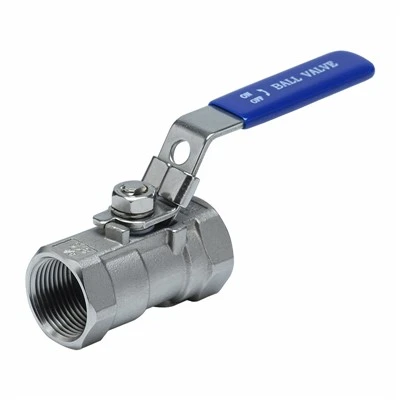
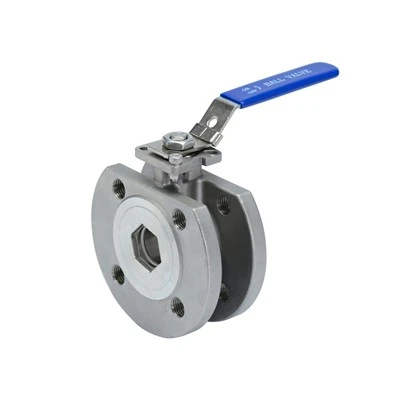
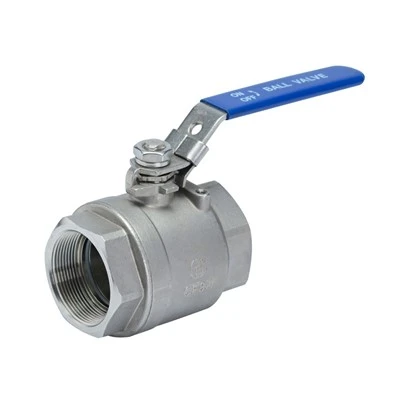
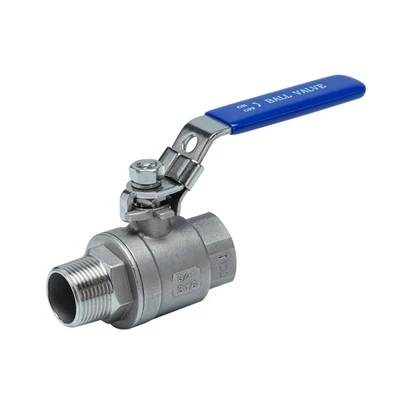
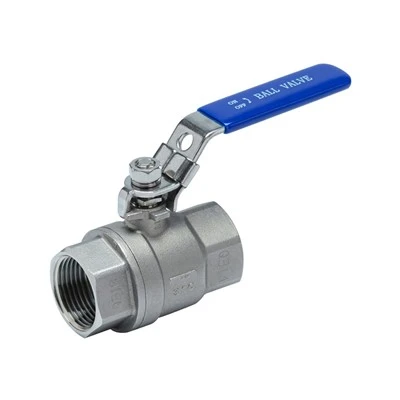
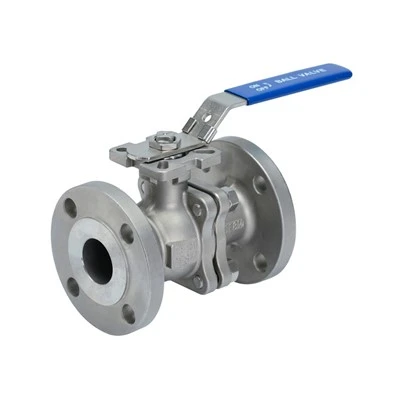
Ball valves use a rotating ball to control fluid flow and provide quick shut-off with a simple quarter-turn operation. Stainless steel ball valves are widely used in industrial piping systems due to their durability, mechanical strength, and corrosion resistance in suitable environments.
Globe Valves
Globe valves can be used for flow regulation. Their structure allows users to adjust the flow rate according to process requirements, making them suitable for applications requiring moderate flow control.
Butterfly Valves
With a compact structure and lightweight design, butterfly valves are commonly used in large-diameter pipelines. They offer convenient operation and are suitable for flow control in many low-to-medium pressure industrial pipelines.
Diaphragm and Solenoid Valves
Diaphragm valves are used in applications requiring specific sealing and contamination-control characteristics, while solenoid valves provide automatic electrical control for liquid and gas flow.
How to Select the Right Valve
When selecting a valve for chemical processing, consider the chemical properties of the medium, operating conditions, sealing materials, and connection requirements. Stainless steel grades such as 304 and 316L may be suitable for different applications, depending on the specific service conditions.
Selecting the appropriate valve helps improve system reliability, reduce maintenance needs, and support efficient industrial operations.