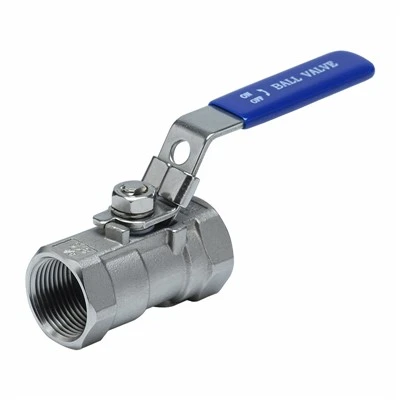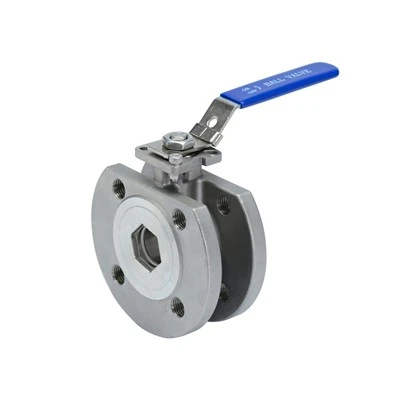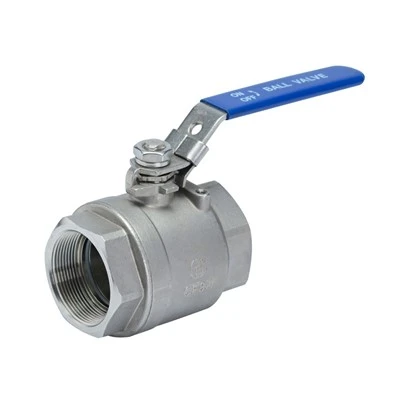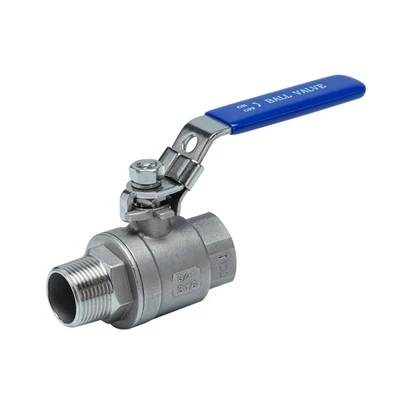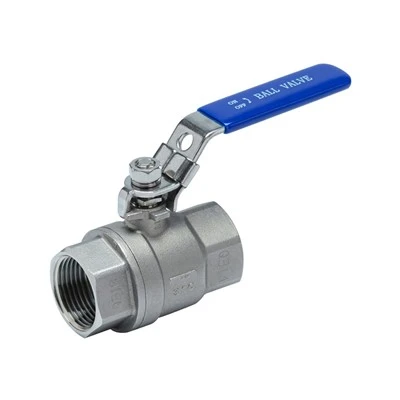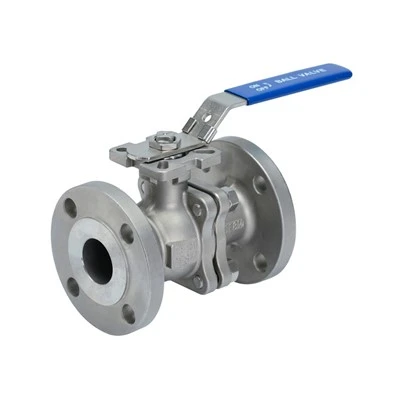
Stainless steel gate valves are categorized by sealing surface configuration into wedge gate valves and parallel gate valves. Wedge gate valves are further subdivided into rigid single-gate and resilient gate valves; parallel gate valves are split into single-gate and double-gate variants. Based on the location of the stem thread, they are classified as rising-stem gate valves and non-rising-stem gate valves. These valves are generally installed horizontally on pipelines.
When opening the valve, the flow path becomes fully unobstructed once the gate rises to a height equal to the valve's nominal diameter. However, this theoretical position cannot be monitored during operation. In practical service, the fully open position is indicated by the upper limit of the valve stem - the point at which the valve can no longer be opened. To compensate for potential jamming caused by temperature fluctuations, the handwheel is typically rotated backward by 1/2 to 1 turn after reaching the upper limit to define the fully open position. Therefore, the valve's fully open status is determined by the gate position (i.e., its stroke).
Certain gate valves feature the stem nut fitted onto the gate. Rotating the handwheel turns the stem, which in turn lifts the gate. This design is known as a rotary-stem gate valve, also referred to as a non-rotating stem gate valve.