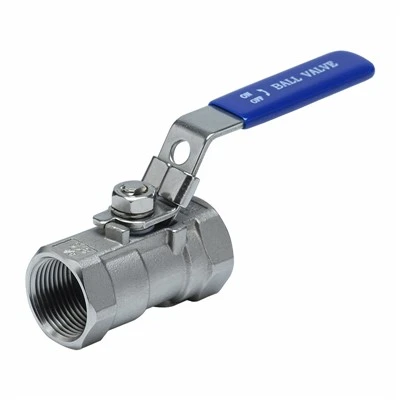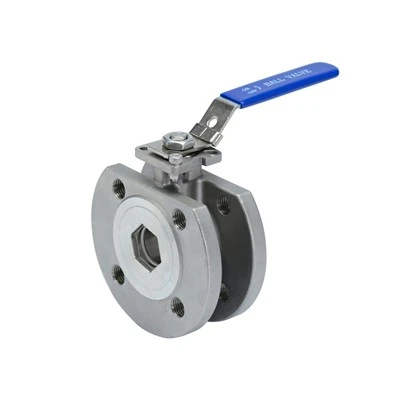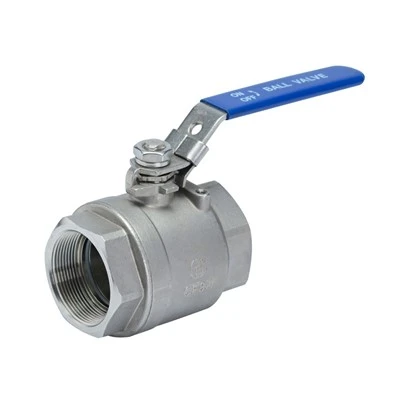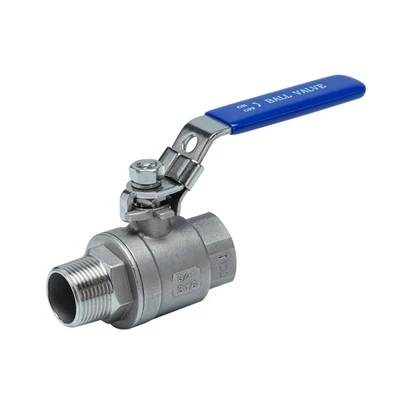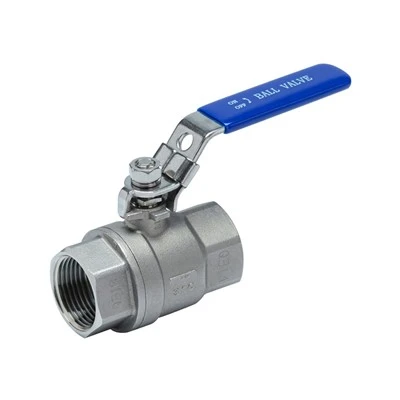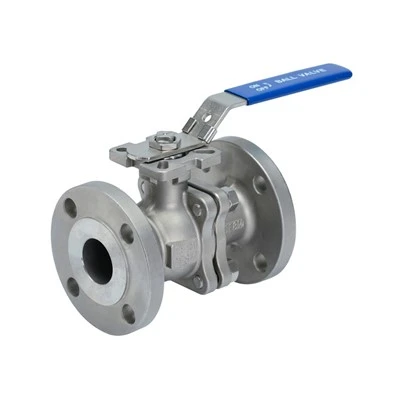
Stainless steel pipe fittings are fittings made from stainless steel, including elbows, tees, crosses, reducers, and caps. By connection type, they are commonly classified into socket-weld, threaded, flanged, and butt-welded fittings.
The manufacturing process varies depending on the fitting shape, size, wall thickness, and pressure rating. The most common methods are as follows:
1. Investment Casting (Lost-Wax Casting) Complex-shaped fittings such as tees, elbows, and valve bodies are produced by lost-wax investment casting. A wax pattern is invested in ceramic shell, dewaxed, and poured with molten stainless steel. The casting is then shake-out, cut, and finished by machining.
2. Forging Forging uses compressive force on heated stainless steel billets to shape fitting preforms. It refines the metal grain flow, producing stronger fittings suitable for high-pressure and high-temperature service. Common equipment includes mechanical presses, hydraulic presses, and forging hammers.
3. Hot Forming / Push Bending Elbows are made by pushing a heated pipe through a die (push bending) or by induction bending. The locally heated pipe is conformed to the desired bend radius, producing smooth, uniform bends for large-diameter and thick-walled applications.
4. Hydroforming (Bulging) Tees and other branched shapes are made by hydroforming. High-pressure fluid inside a sealed pipe blank expands it into a die cavity. A simpler variant uses a rubber plug compressed by a punch to bulge the tube outward.
5. Roll Forming Roll forming uses a series of rollers to progressively bend or round a pipe section, typically without an internal mandrel. It is commonly used for thin-walled tubes and concentric shapes.
6. CNC Machining and Finishing After forming, every fitting goes through CNC machining to achieve precise end dimensions, threads, and flange faces, followed by grinding, polishing, or pickling to meet surface finish requirements.