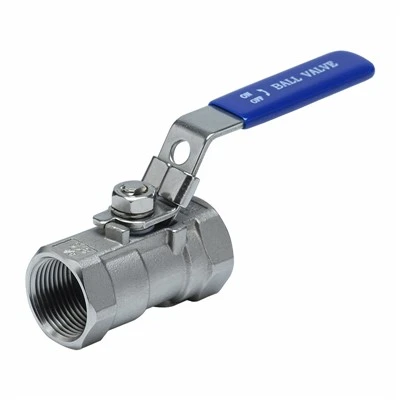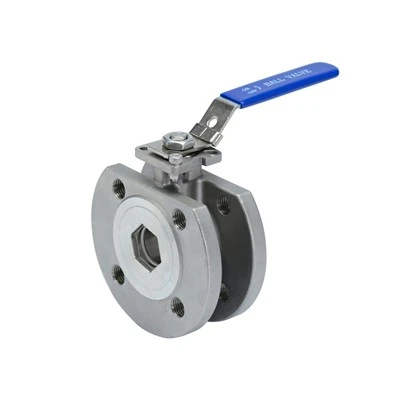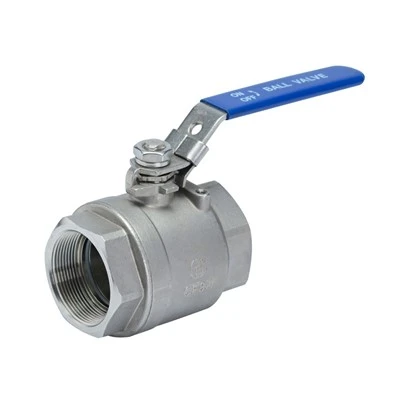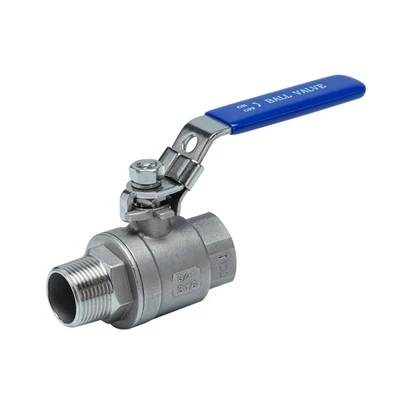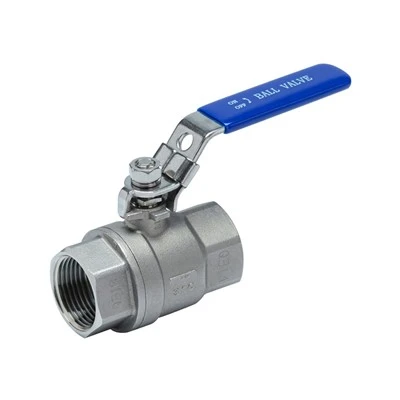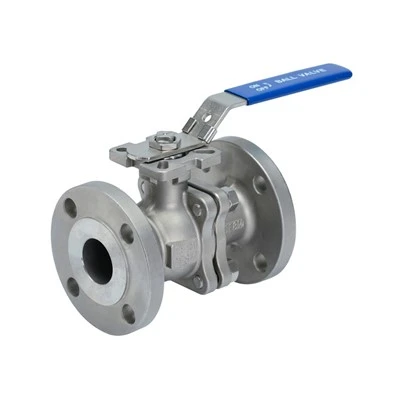
Ball valves are classified into O-type and V-type. O-type ball valves feature a floating design with a precision-cast ball coated with hard chrome plating. The valve seat adopts reinforced PTFE. Its flow bore matches the pipe diameter, delivering superior flow capacity, minimal flow resistance, and bubble-tight shutoff. They are typically deployed as on/off valves and work well for high-viscosity, fibrous and particulate media. V-type ball valves use a fixed ball structure. The V-notch on the ball enables proportional control with an approximately equal-percentage flow characteristic.
Pneumatic or electric actuators can be fitted according to process equipment, forming pneumatic ball valves and electric ball valves respectively. Pneumatic ball valves need a valve positioner to realize proportional regulation, while electric ball valves require an electric actuator or servo amplifier for proportional control.
By material, ball valves fall into carbon steel, 304 stainless steel, 316 stainless steel and brass ball valves. By working conditions, they are grouped into high-pressure and low-pressure types. High-pressure ball valves are widely applied in petroleum, natural gas, hydraulic oil and construction machinery industries. Low-pressure ball valves are mainly used in pipelines for non-corrosive media such as water.